Site Screening Insights
Practical guides on ground conditions, site investigations, mineral exploration and early-stage site screening — for mining professionals, contractors, developers and architects.
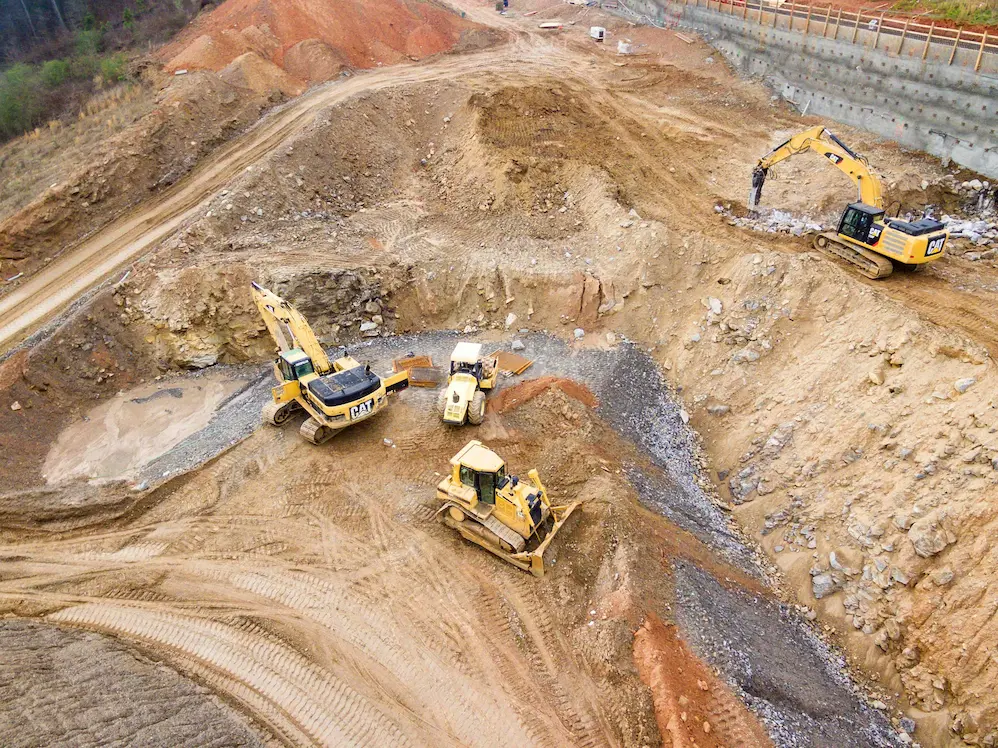
What Is a Site Investigation Report — and Do You Need One Yet?
Site investigation reports are essential for development projects — but commissioning one too early is one of the most common and costly mistakes in early-stage planning. Learn what they cover, what they cost, and when the right time to commission one actually is.
Read article →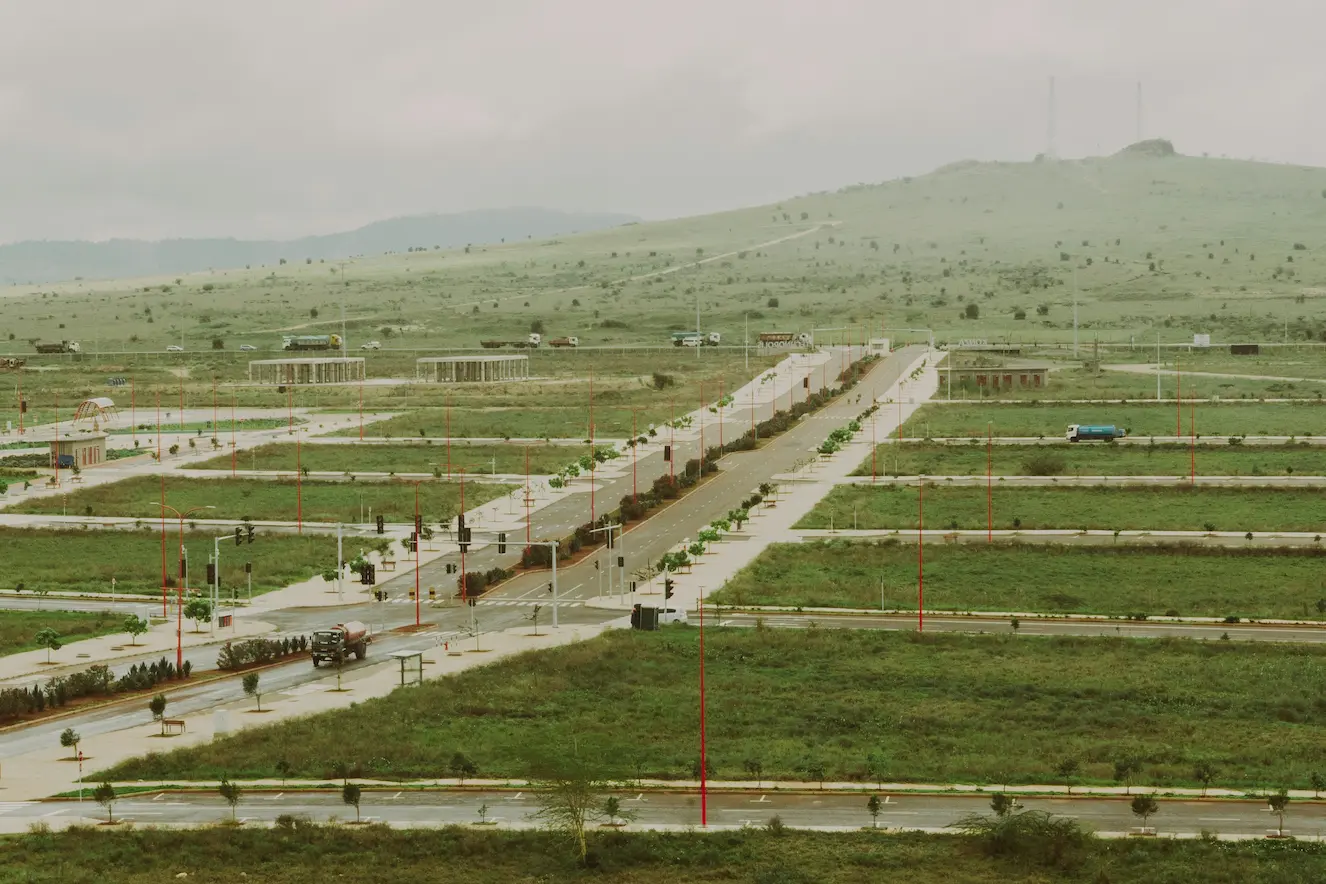
What to Know Before Buying Land — The Ground Conditions Checklist Nobody Talks About
Most land buying guides cover legal title, planning and access. This one covers what's underneath — ground conditions, soil type and contamination risk. The due diligence step most buyers miss entirely.
Read article →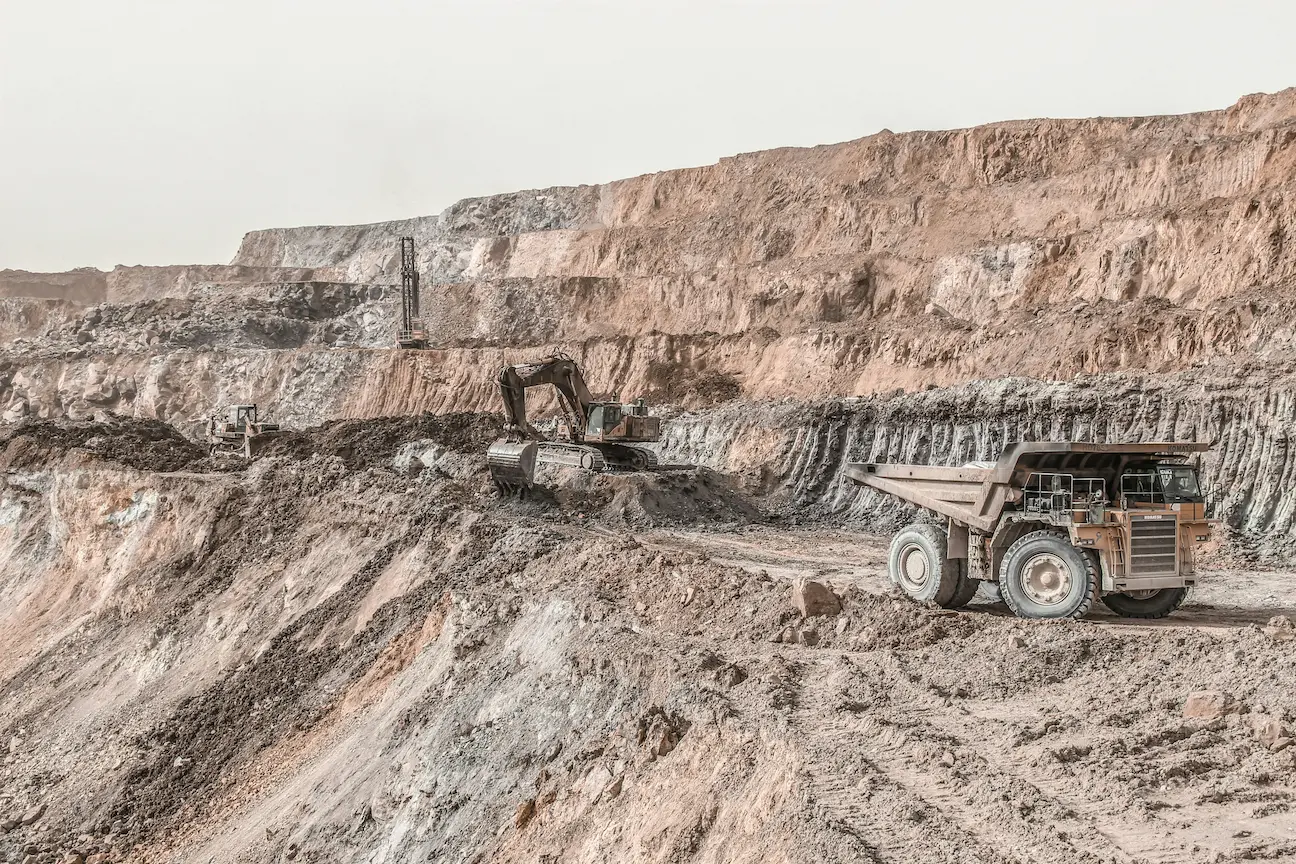
Stages of Mineral Exploration: What Site Information Do You Need at G1 Stage?
Moving from G1 into fieldwork without the right site context is one of the most preventable and costly mistakes in exploration. Learn what geological, hydrogeological and geohazard information you need before committing field budget.
Read article →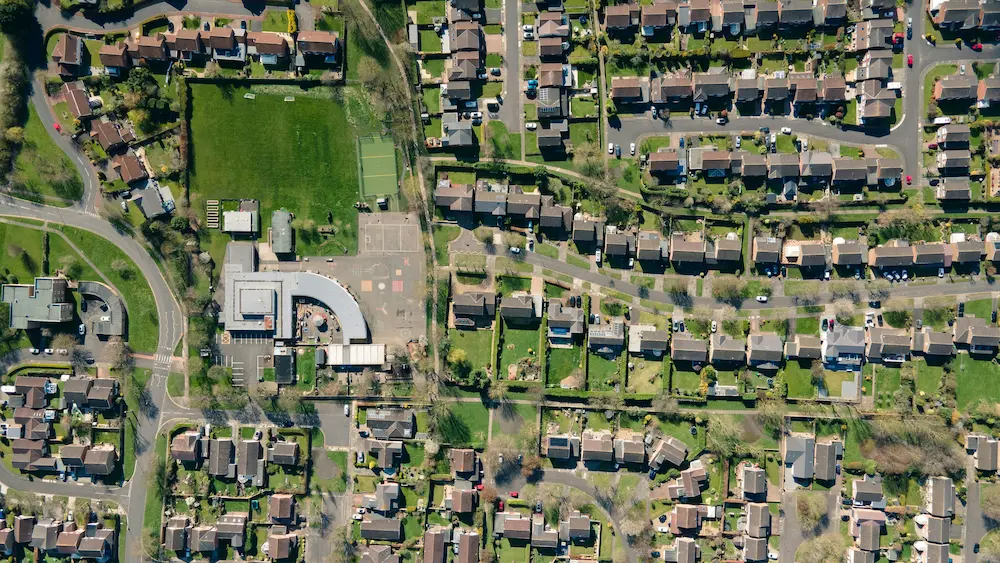
Buying Land with Planning Permission: The Ground Condition Checks Most Buyers Skip
Planning permission confirms the council will allow development. It says nothing about what's underground. The ground condition checks that buyers of planning land consistently miss — and how to do them before making an offer.
Read article →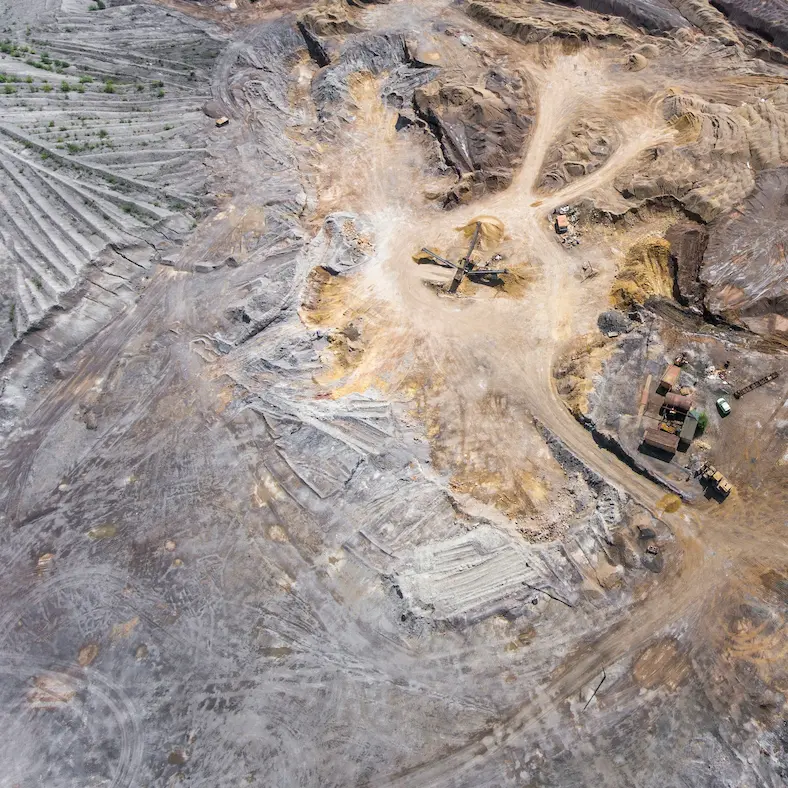
Mount Nansen Mine Yukon: What an Abandoned Gold Mine Tells Us About Early-Stage Ground Screening
The Mount Nansen mine left 540,000 tonnes of tailings and 25 years of contamination in the Yukon. A factual account of the site's history, geology and environmental legacy — and what it reveals about ground screening in mining exploration.
Read article →
Do Ground Investigations Require Planning Permission? What Developers Need to Know
The relationship between ground investigations and planning permission is widely misunderstood. Most investigations don't need planning permission — but planning permission often requires one. Here's what developers and architects need to know.
Read article →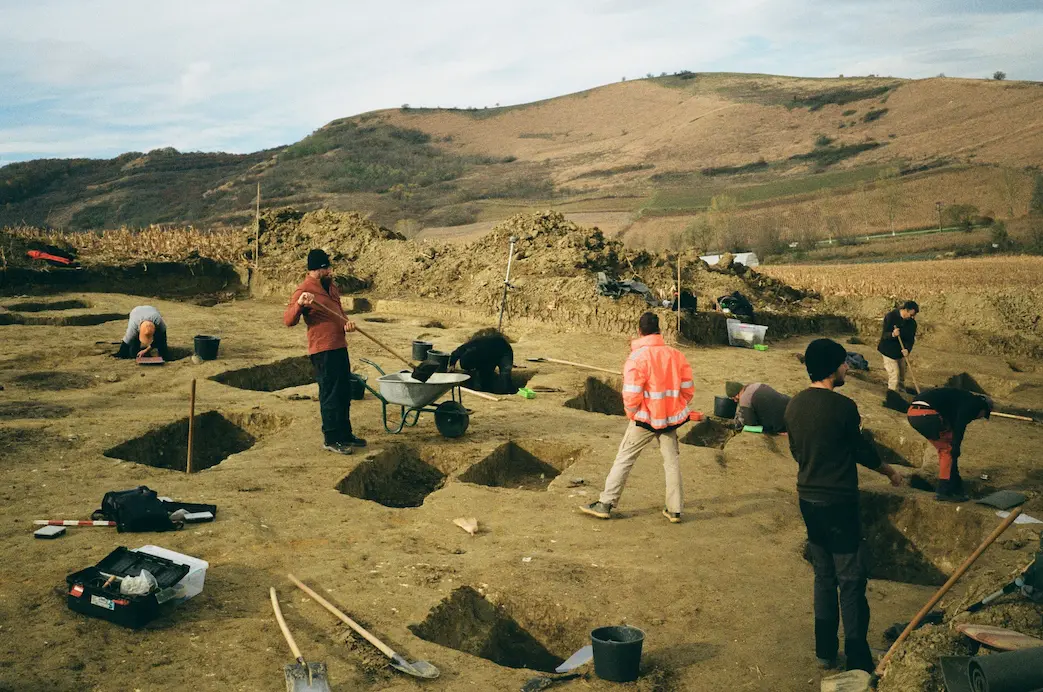
Preliminary Site Assessment and Its Importance: What You Need to Know Before Spending on Investigation
A preliminary site assessment converts unknown ground risk into known risk at the cheapest possible point in a project. What it covers, who needs one, and why the sequence matters as much as the assessment itself.
Read article →Preliminary site assessments for planning applications — what architects need to know before they apply.